Attention, memory and mood at school are shaped long before the first bell. Sleep, breakfast, screen time and a calm evening routine make an enormous difference to how children learn. None of this requires perfection — just steady, realistic habits that suit a busy family.
Sleep: the foundation of learning
Sleep is when the brain consolidates what was learned during the day. Tired children find it harder to concentrate, manage frustration and remember instructions. Broadly, health guidance suggests around 10–13 hours (including naps) for pre-schoolers, 9–12 hours for primary-age children and 8–10 hours for early teenagers.
- Keep bedtime and wake-up time similar on school days and weekends.
- Create a wind-down routine: bath, pyjamas, story, lights out.
- Switch off screens at least an hour before bed; keep devices out of the bedroom.
- For long commutes, plan an earlier bedtime rather than cutting morning sleep.
Breakfast and the school lunch box
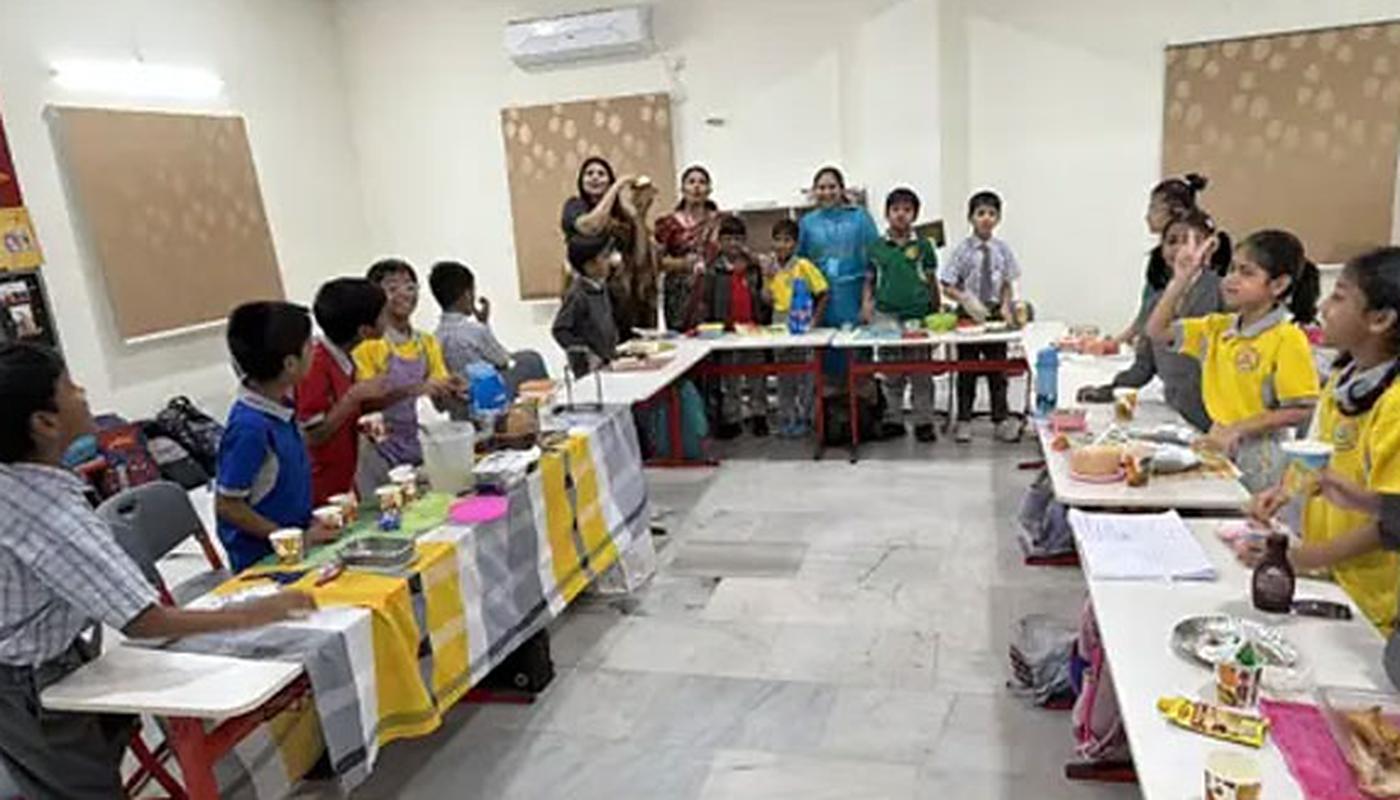
A child who arrives hungry spends the first period thinking about food. Breakfast does not need to be elaborate: idli, upma, poha, eggs, fruit with curd or a banana with peanut butter toast all work well. Aim for something with protein and fibre rather than only sugar.
For lunch boxes, familiar home food that is easy to eat in the time available is ideal. Include water, and a piece of fruit for the short break. Involving children in packing their box encourages them to eat it.
Screens: balance, not bans
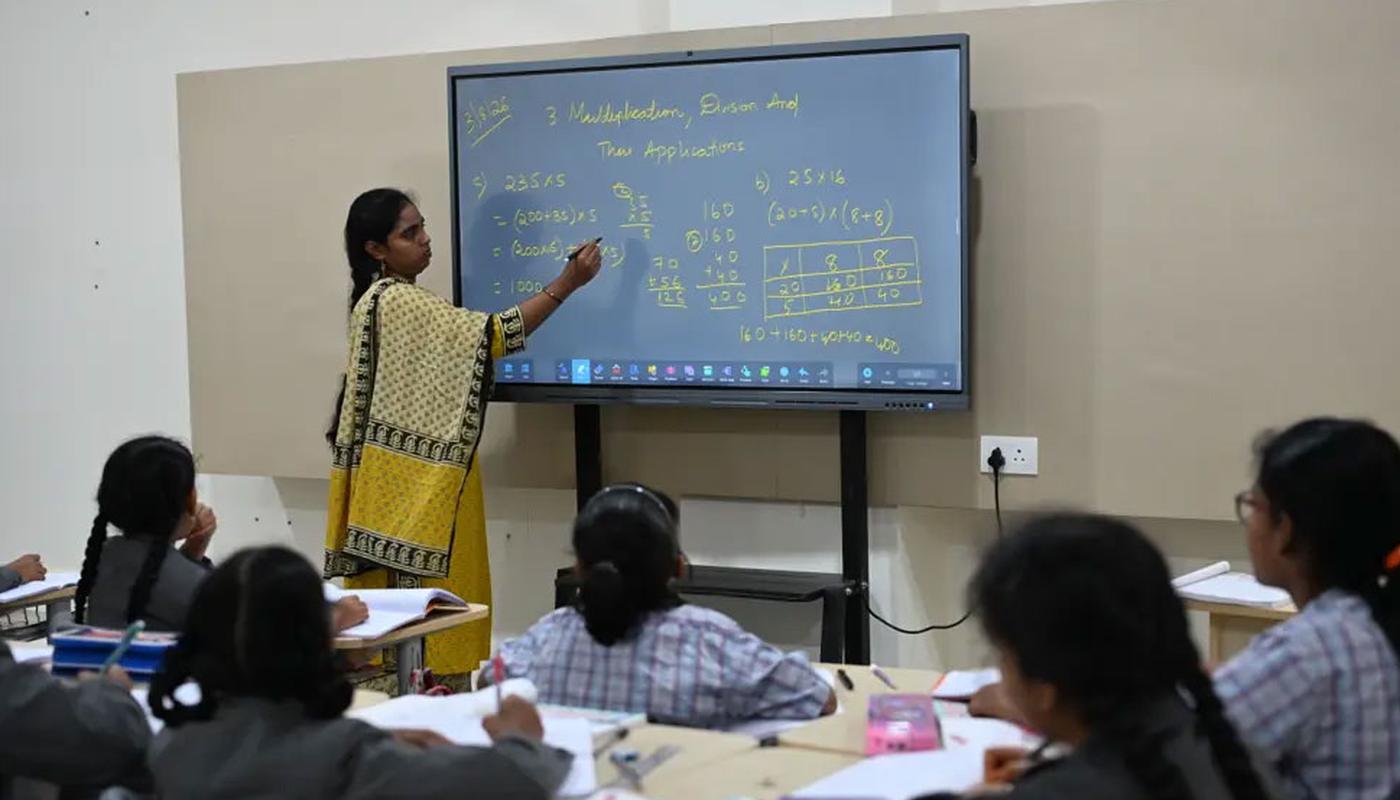
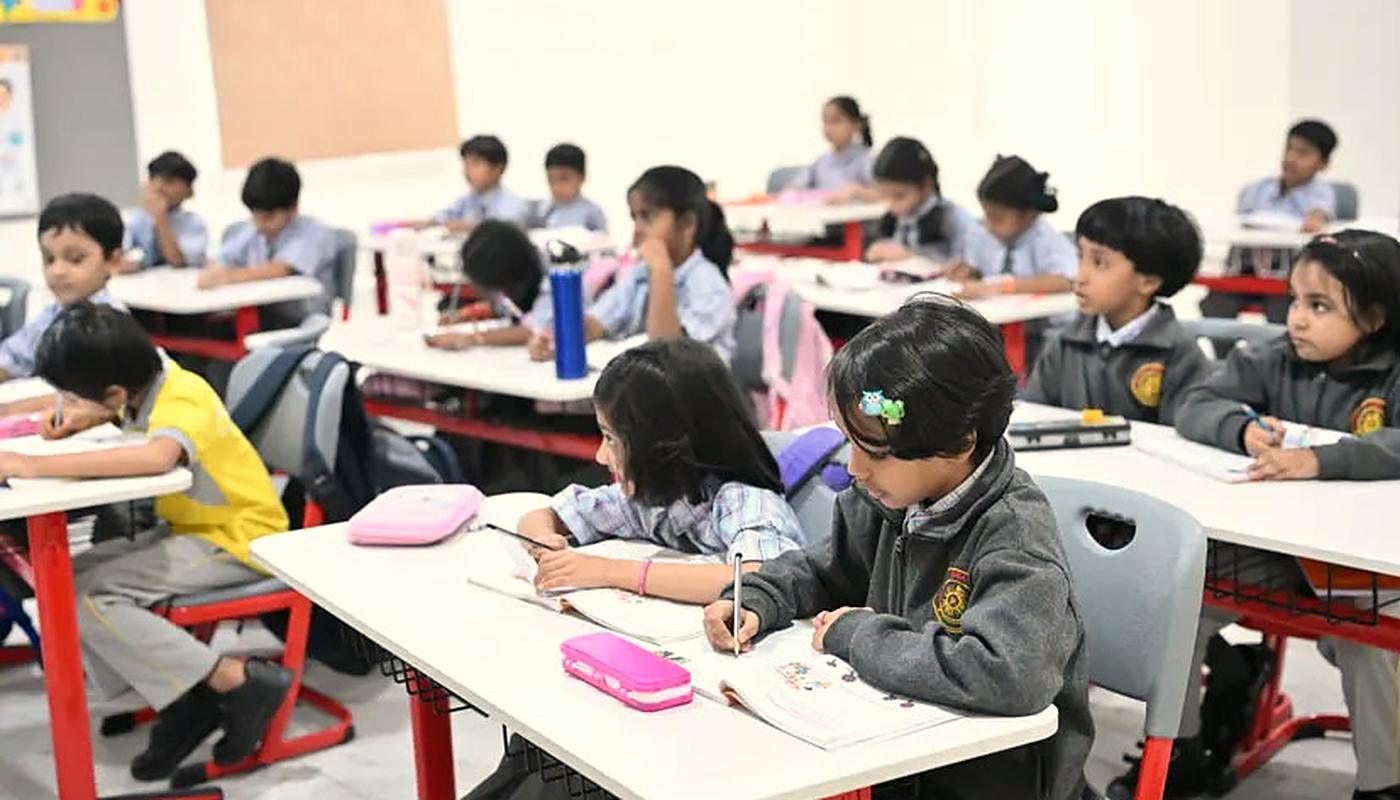
Technology is part of modern learning, and at Arkaas we use it purposefully in class. At home, the question is balance. Screens can displace sleep, outdoor play, reading and conversation — the very things that support learning.
- Agree simple family rules: when, where and for how long.
- Prefer shared, active screen time (a documentary you discuss) over endless scrolling.
- Keep meals screen-free.
- Model the habits you want: children notice when adults put phones away.
A good routine is one your family can actually keep on an ordinary Wednesday.
Movement and play
Children need active play every day — cycling, running, games in the park, dancing at home. Physical activity improves sleep, mood and concentration. School sports and PE help, but unstructured play after school is equally valuable.
Homework without battles
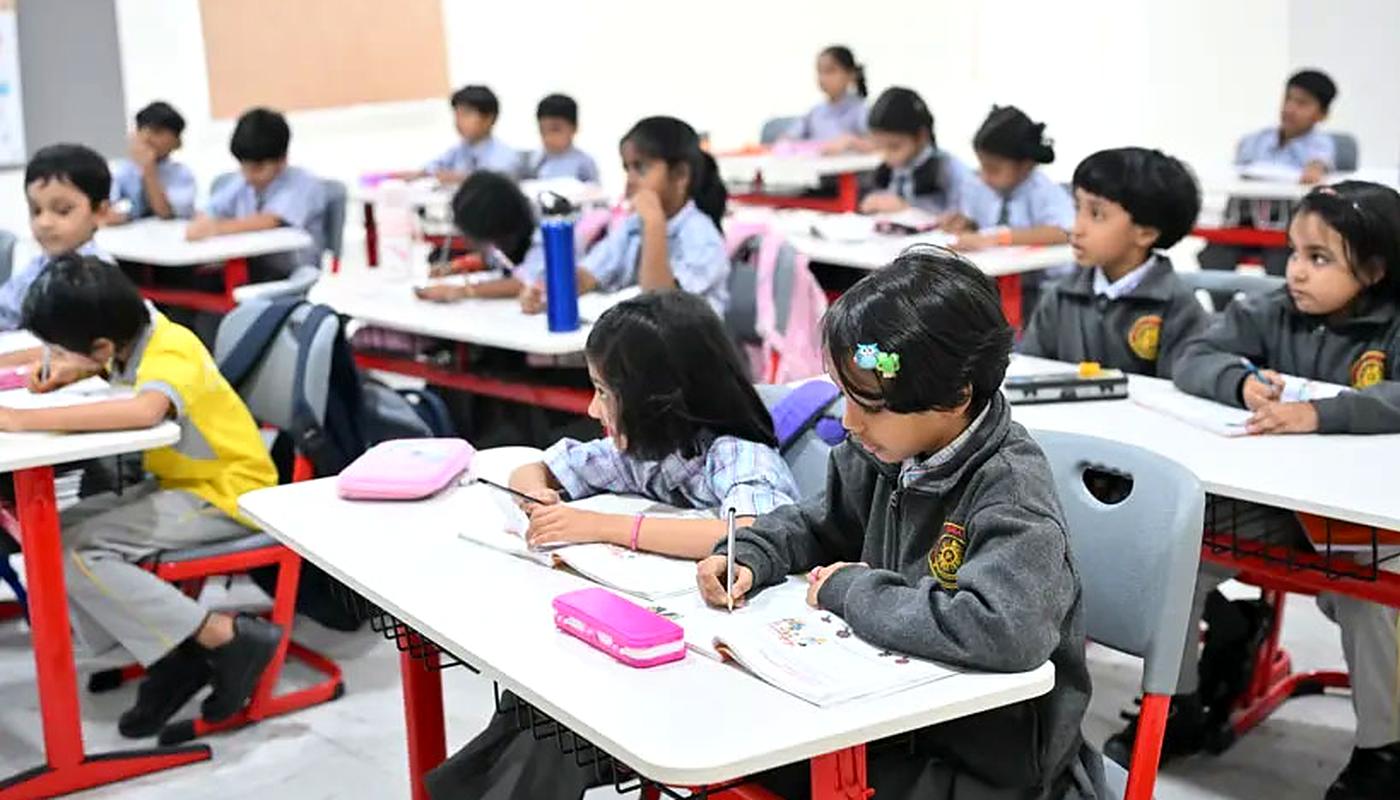
Choose a regular time and a quiet place with good light. Younger children benefit from an adult nearby, not an adult doing the work. Break tasks into short chunks. If homework regularly takes far longer than expected or ends in tears, tell the teacher; it is useful information, not a complaint.
A realistic weekday rhythm
Morning
Wake at a consistent time, simple breakfast, bag packed the night before, leave with a few minutes to spare so the journey is calm.
After school
Snack and rest, outdoor play or free time, then homework or reading.
Evening
Family dinner without screens, quiet activity, reading, lights out at a steady time.
Emotional wellbeing
Routines give children a sense of security. Alongside them, make time to talk. A few minutes of undivided attention at bedtime is often when children share worries. If you notice lasting changes — trouble sleeping, loss of appetite, reluctance to go to school — speak to the class teacher so home and school can support your child together. You can read more about how we care for children on our Student Support and Sports & Wellbeing pages.

Teachers and school leaders at Arkaas Vignan School. Our articles share practical guidance for families; for advice about your own child, please speak with their class teacher.