Concrete materials
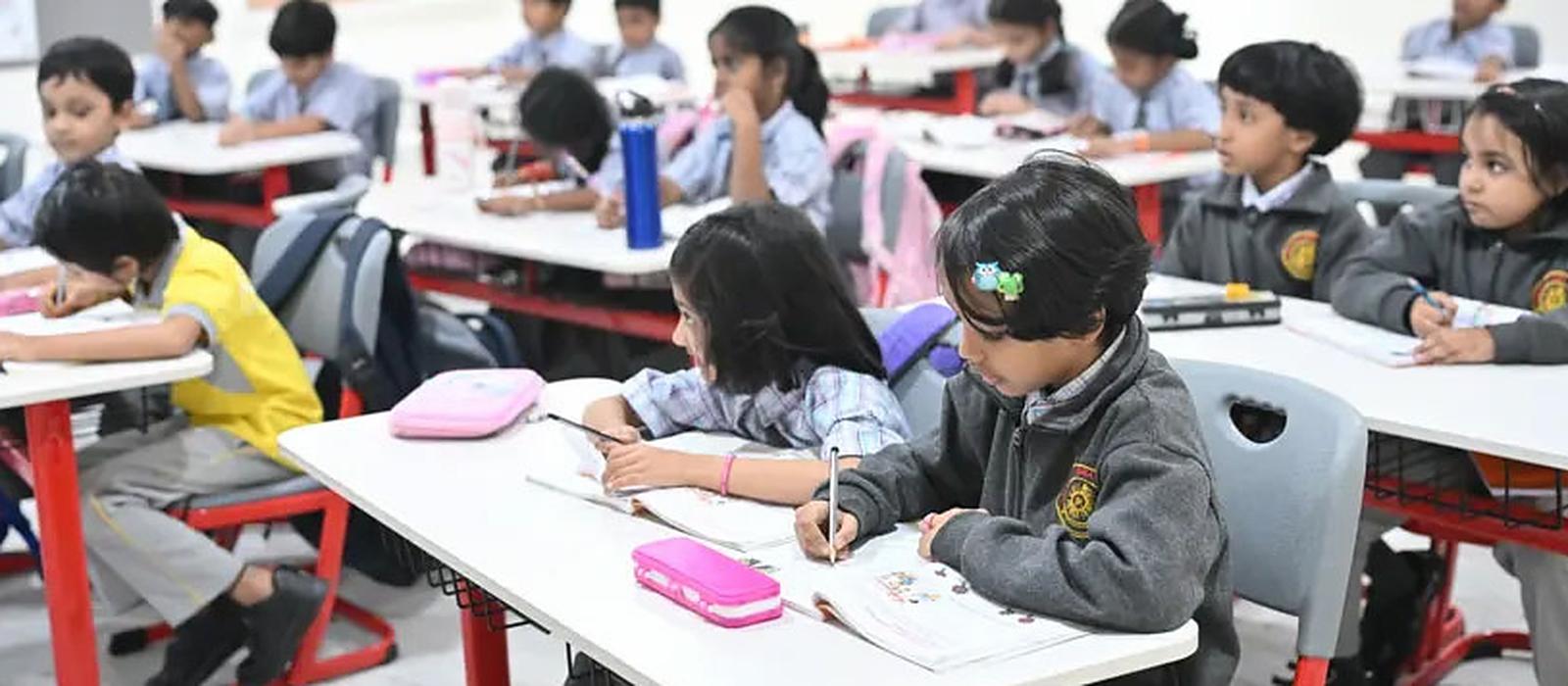
Blocks, beads, fraction strips and models help children see mathematical ideas before working with symbols.

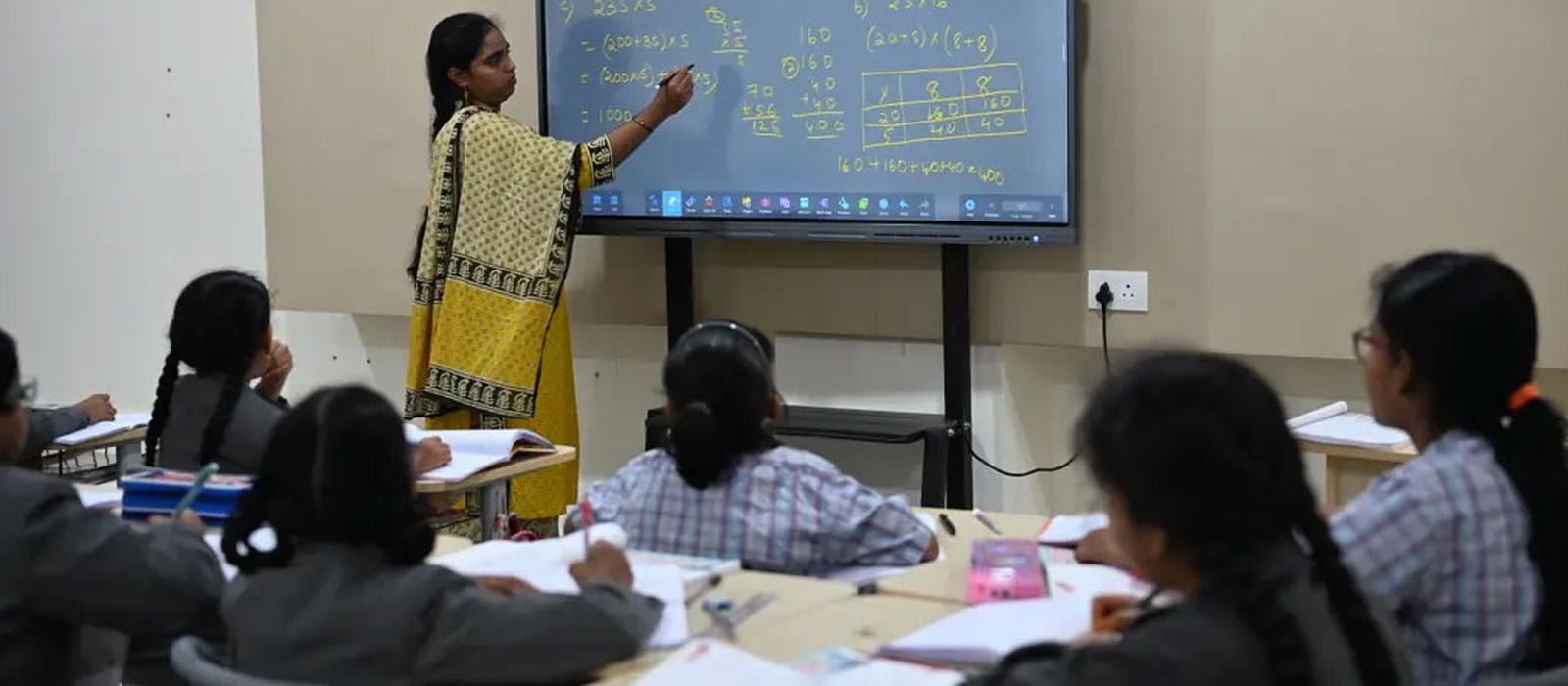
Every Arkaas lesson follows a simple, research-informed rhythm that helps children understand ideas, remember them and use them with confidence.
Not a rigid script — teachers adapt it to the subject and the age of the class — but a shared structure that children recognise.
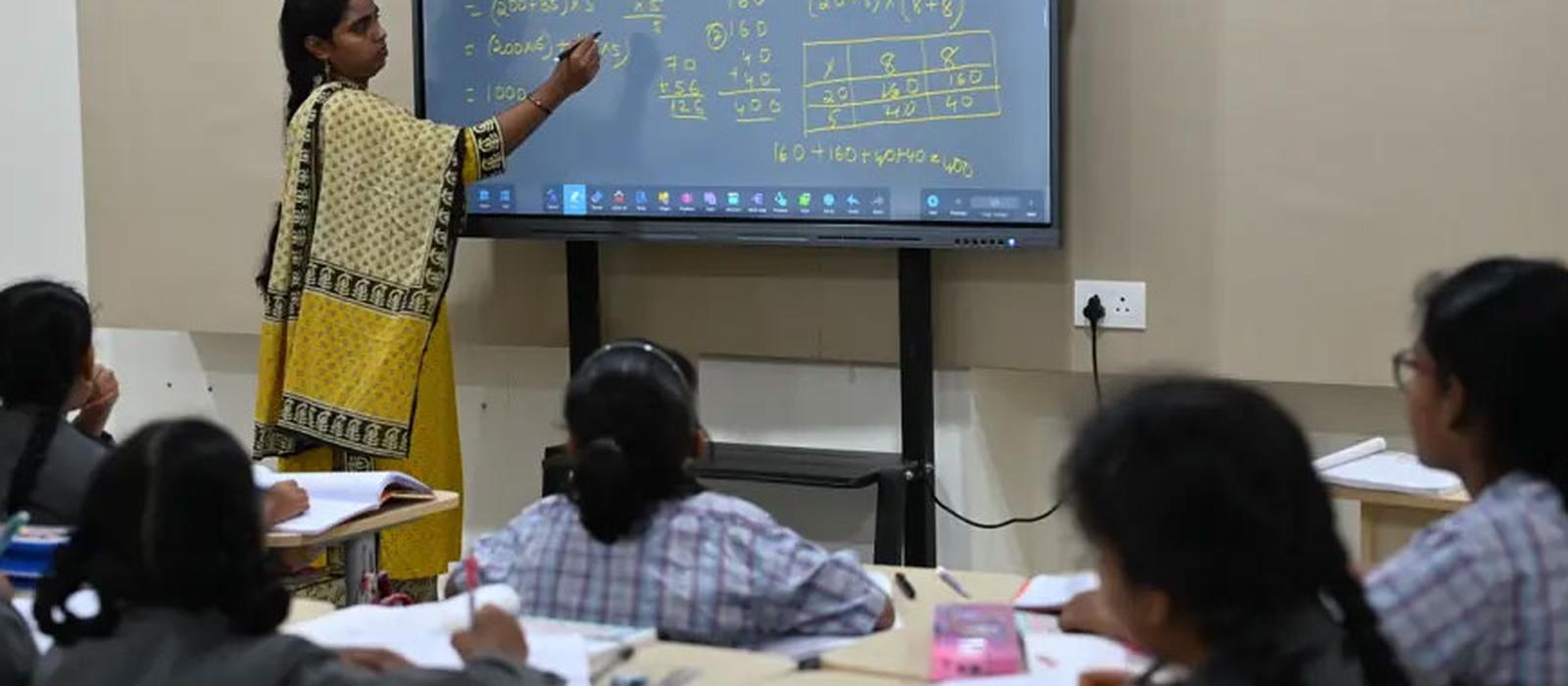
The teacher introduces the idea clearly — with a story, demonstration, diagram or worked example — and connects it to what children already know.
Guided practice, then independent practice, with the teacher circulating, questioning and correcting misconceptions in the moment.
Children use the idea in a new context: a problem, an experiment, a piece of writing, a discussion or a project.
A quick check or exit question shows what has been understood and what needs revisiting next lesson.
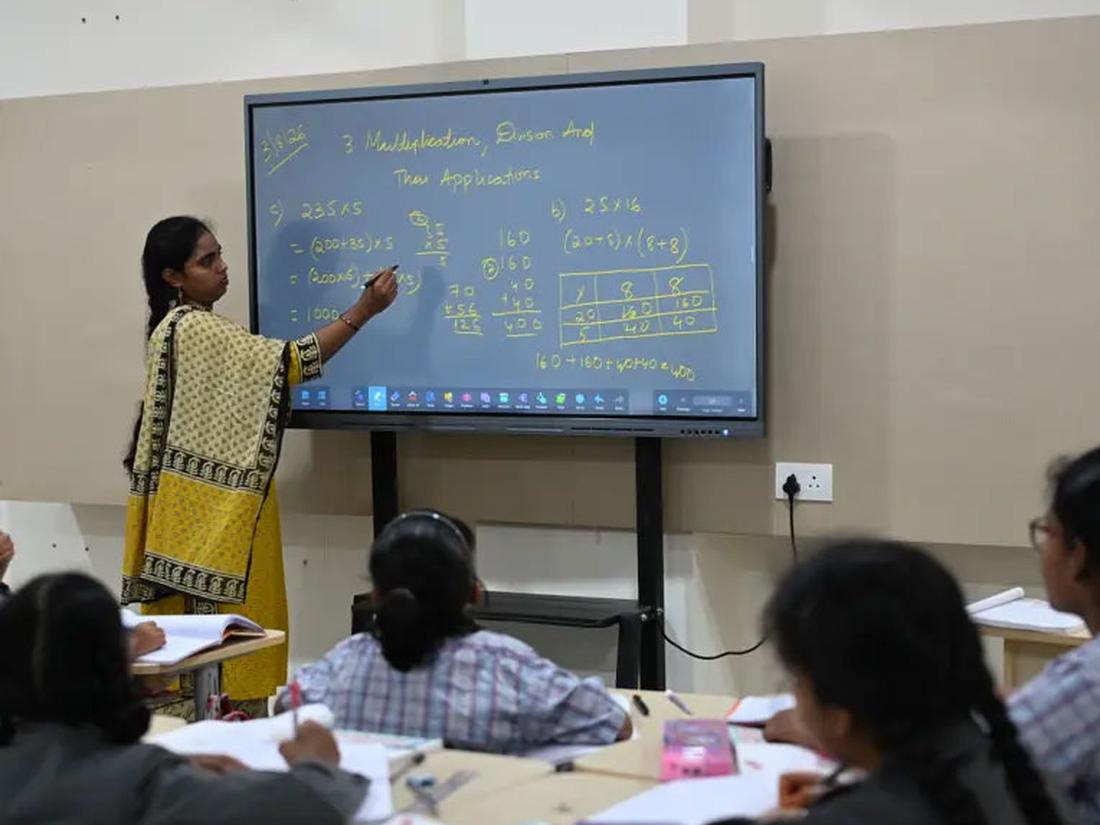
Research on learning consistently shows that children learn best when new information is presented in manageable steps, when they practise retrieving what they have learned, and when they receive timely feedback. Our lesson structure builds these principles into every day.
Explanations are kept clear and focused so that working memory is not overloaded. Practice is spaced over days and weeks so that learning lasts. Application tasks give children reasons to use knowledge — which is what makes it stick.
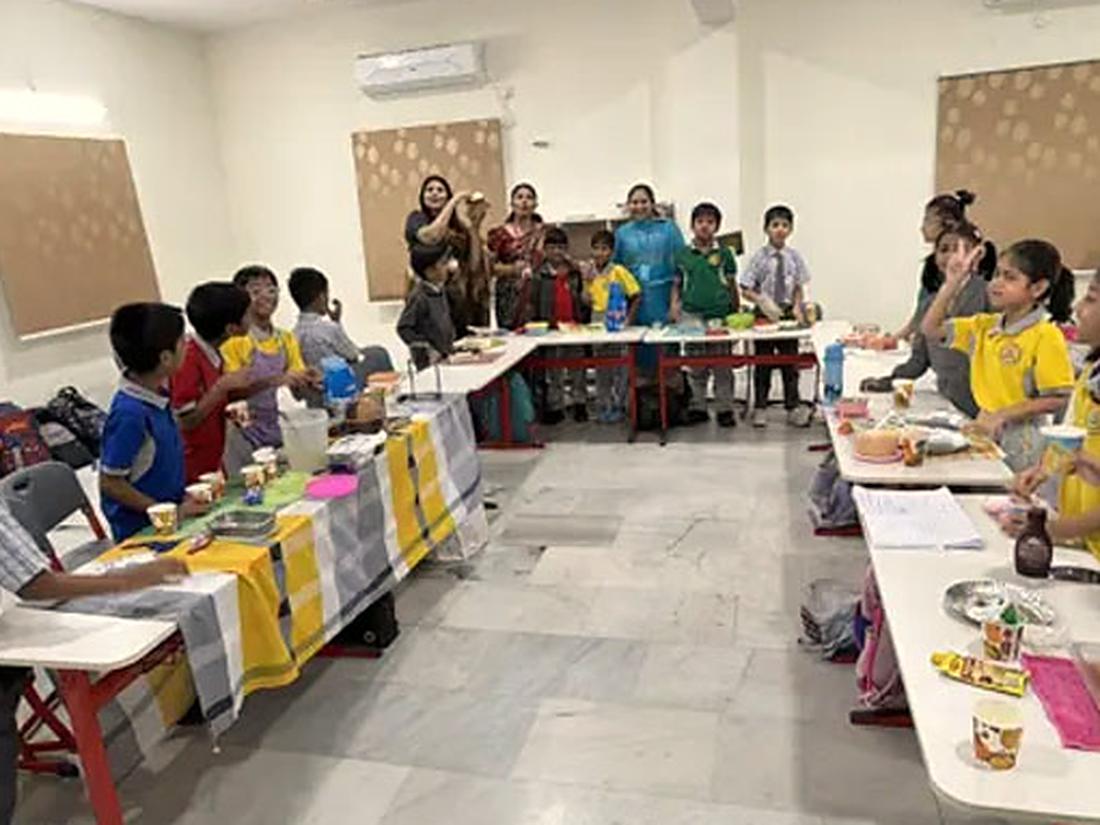
Before answering in front of the class, children often talk with a partner. This simple routine means every child thinks, not just those who put their hands up first. Teachers use questions such as “How do you know?” and “Can someone build on that?” to deepen reasoning.
Speaking and listening are also taught explicitly — through show-and-tell in the early years, recitations and role play in primary, and debates and presentations in middle school.
Blocks, beads, fraction strips and models help children see mathematical ideas before working with symbols.
Children ask questions, predict, test and record — especially in EVS and science.
Structured pair and group work where every member has a clear role.
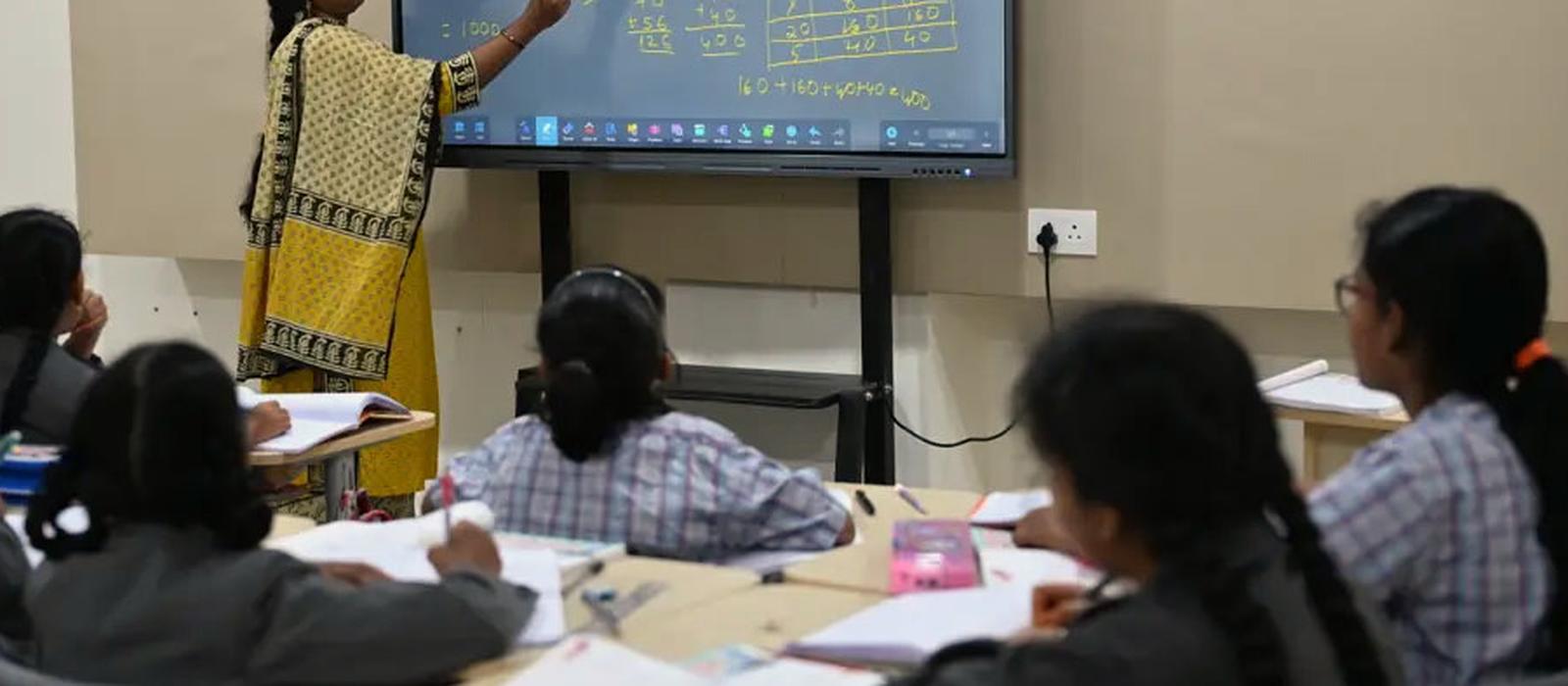
Interactive panels for demonstrations, simulations, videos and quick quizzes when they add value.
Cross-subject projects that end with a product, performance or presentation.
Texts in every subject build vocabulary and comprehension, not only in English lessons.
Activities are part of it, but only when they serve learning. Clear teacher explanation and focused practice are just as important as hands-on work.
Through quick checks during lessons, varied tasks, targeted help in class and extension questions for children ready for more challenge.
Ask your child to explain what they learned today, read together daily and keep routines regular. Our parent blog has practical ideas.

A campus visit is the clearest way to understand how our classrooms work, how teachers speak with children and whether Arkaas is the right fit for your family.