
Some children put their hand up for every question. Others know the answer but stay silent. Confidence is not a fixed personality trait; it grows from many small experiences of trying, being heard and discovering that mistakes are survivable.
What confidence really is
Confidence is the belief that “I can try this, and it will be okay even if it doesn’t go perfectly.” It is different from being loud or outgoing. A quiet child can be deeply confident; a talkative one can be anxious about getting things wrong. What we want is for every child to feel safe enough to contribute in their own way.
How classrooms build it
- Think time. Waiting a few seconds before taking answers lets more children join in.
- Pair talk first. Children discuss with a partner before sharing with the class, so they rehearse their ideas.
- Many voices, not a few. Teachers invite different children rather than always choosing raised hands.
- Mistakes as learning. Wrong answers are explored, not dismissed: “Tell me how you got there.”
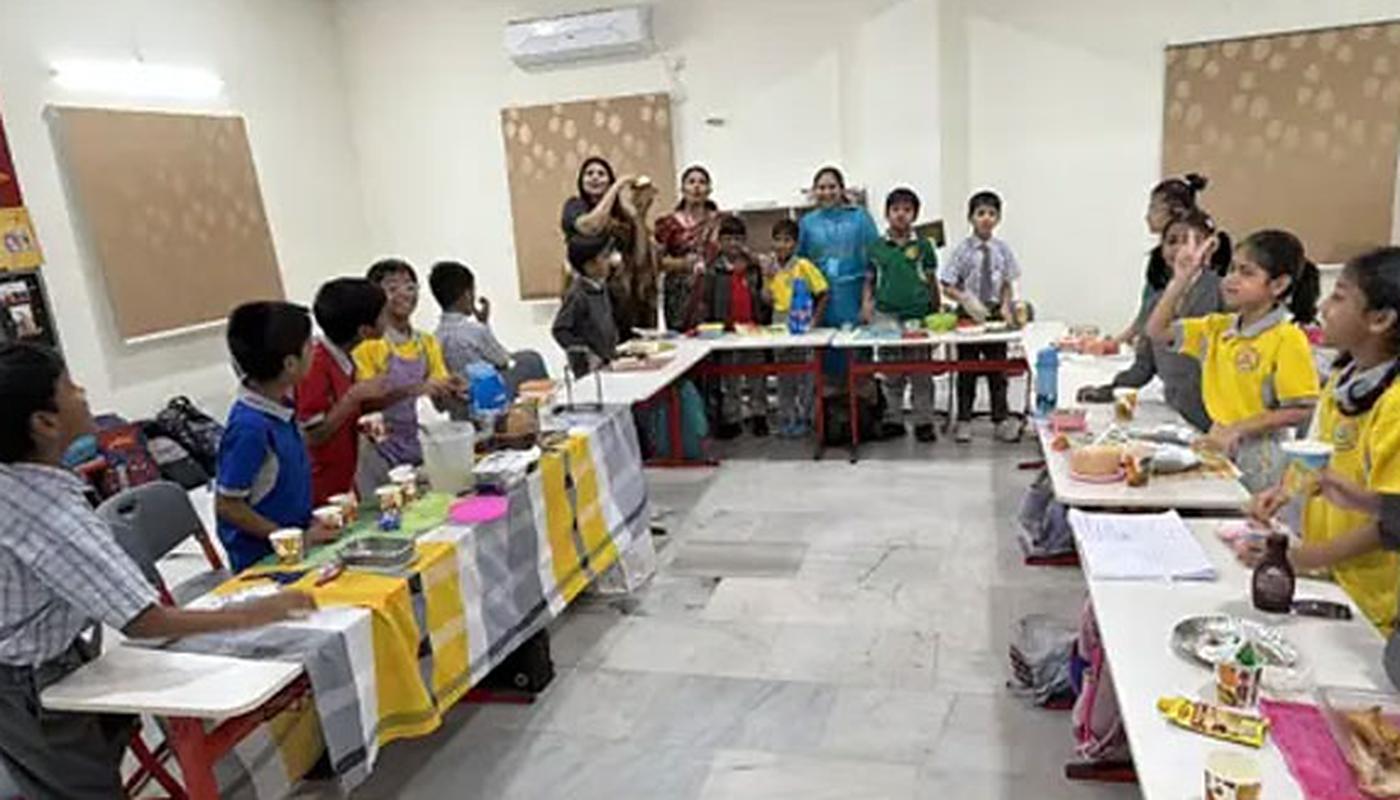
- Real audiences. Show-and-tell, class presentations, assemblies and exhibitions give children safe, structured chances to speak.
What parents can do at home
- Praise effort and strategy. “You kept trying different ways” builds more resilience than “You’re so clever.”
- Give real responsibilities. Setting the table, ordering at a restaurant or answering the door (safely) all build a sense of capability.
- Let them solve small problems. Resist rescuing too quickly. Ask, “What could you try?”
- Listen fully. When children feel heard at home, they expect to be heard elsewhere.
- Share your own mistakes. Hearing that adults get things wrong — and recover — is reassuring.
Children become confident not because they are told they are wonderful, but because they experience themselves being capable.
Supporting a quieter child
Avoid labelling your child as “shy” in front of them; labels can become identities. Prepare them for new situations by talking through what will happen. Practise speaking at home — telling a family member about their day, or explaining a game’s rules. Let the teacher know if your child finds speaking up hard; teachers can plan gentle, gradual opportunities.
Confidence beyond the classroom
Sports, arts, clubs and performances give children different arenas in which to succeed. A child who struggles with maths may shine on stage or on the sports field — and the confidence gained there often travels back into the classroom. That is why whole-child development matters at Arkaas, from Arts & Expression to Clubs & Activities.
When to seek support
If your child’s worry about speaking or participating is intense, lasting or stops them from enjoying school, talk to the class teacher. Home and school working together can make a real difference, and the school can suggest further support where needed.

Teachers and school leaders at Arkaas Vignan School. Our articles share practical guidance for families; for advice about your own child, please speak with their class teacher.