Few decisions feel as weighty as choosing a school. For families in Manikonda, Puppalaguda, Alkapur Township and Neknampur, there is no shortage of options — which can make the decision harder, not easier. This checklist moves past glossy brochures and helps you notice what actually shapes a child’s day.
Many parents begin by searching for the “best CBSE school in Manikonda” or the “best school near Puppalaguda”. It is a sensible starting point, but “best” only means something in relation to your own child. A school that suits a confident, sporty ten-year-old may not suit a quiet four-year-old who is starting nursery. The goal is not to find a school that tops every list; it is to find the one where your child will learn well, feel safe and be known.
1. Start with your child, not the school
Before you visit anywhere, write down three things: what your child enjoys, what they find difficult and what you most want school to give them over the next few years. Perhaps it is strong reading and maths foundations, perhaps it is confidence in speaking, perhaps it is a calmer environment than their current school. These notes turn a general tour into a focused conversation.
Think practically too. How long can your child comfortably travel each morning? A school fifteen minutes away is not the same experience as one fifty minutes away in Hyderabad traffic, especially for young children who need sleep.
2. Understand the curriculum, then look at how it is taught
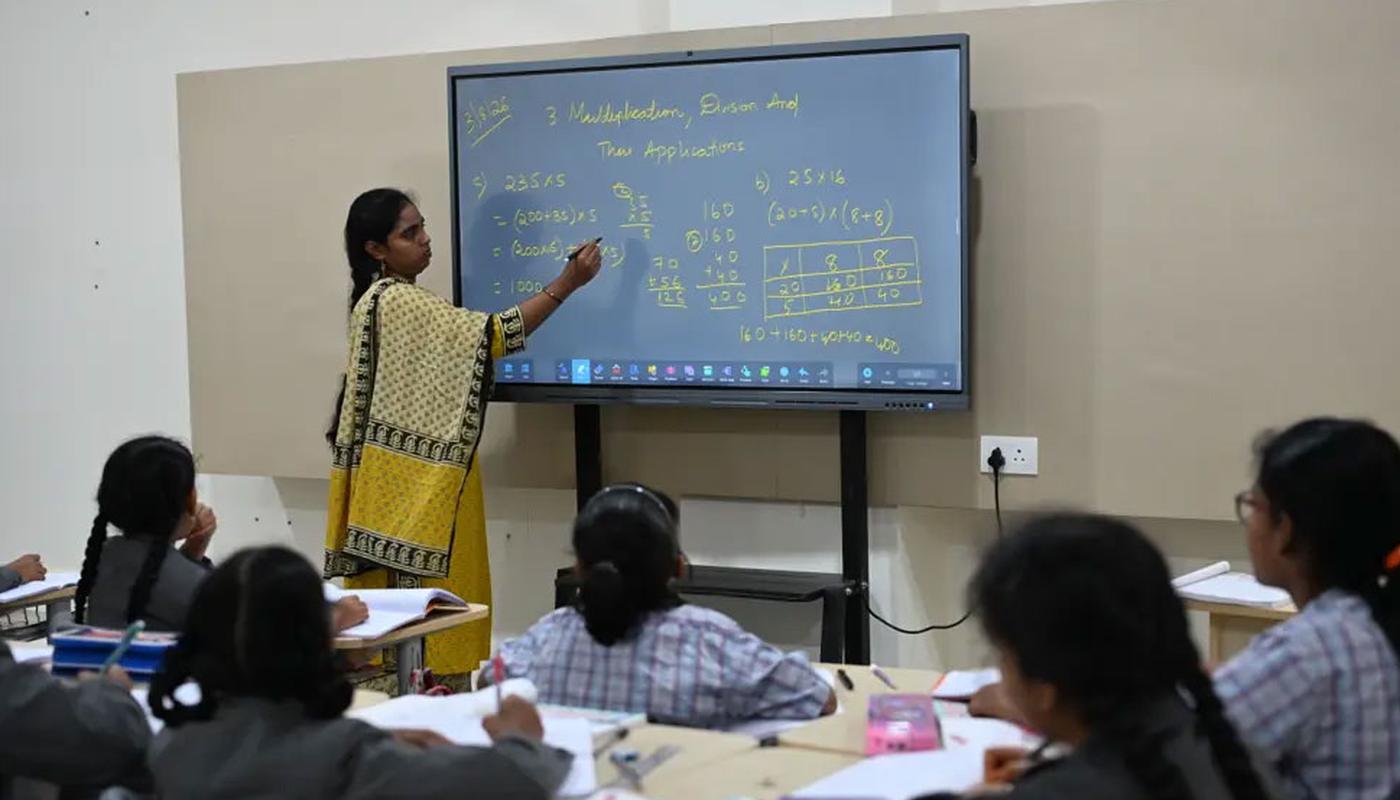
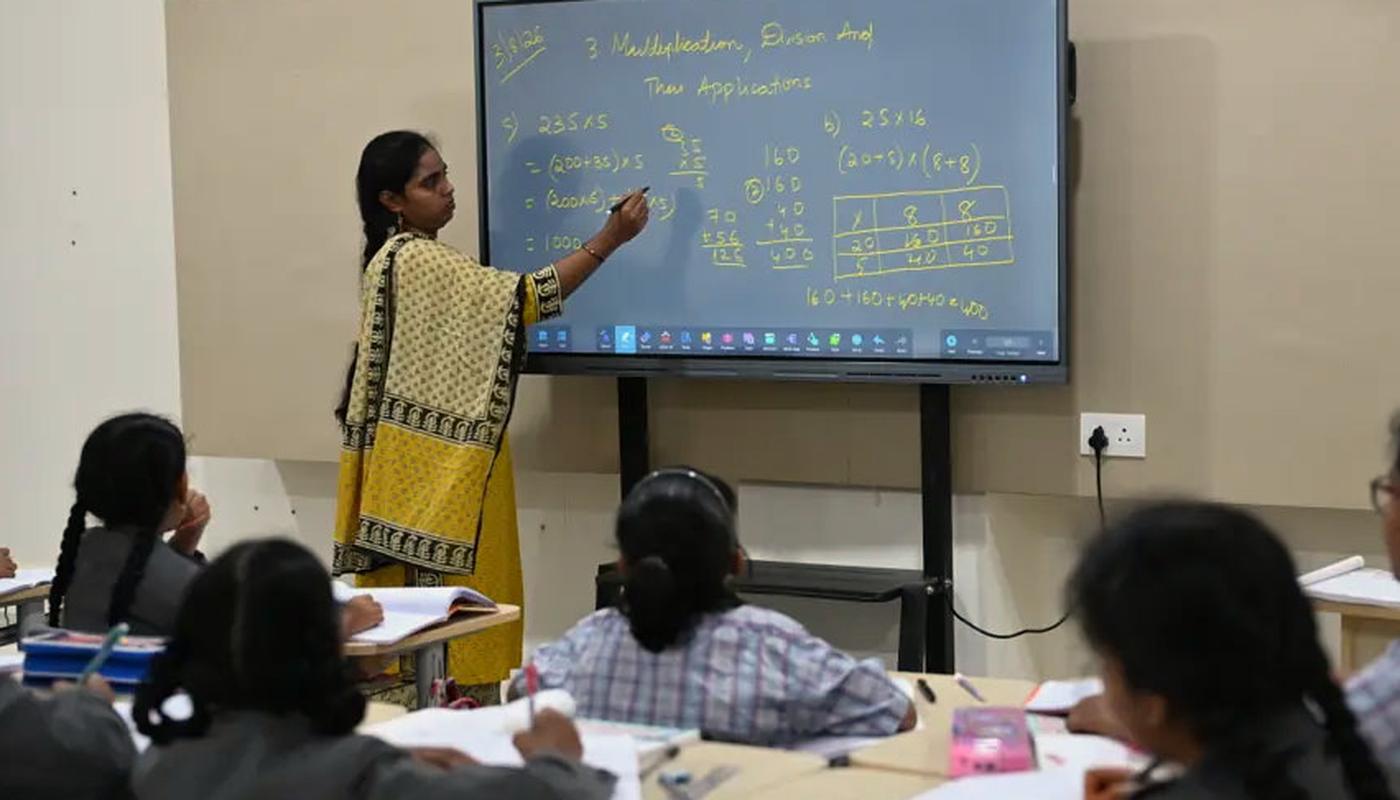
Most schools around Manikonda follow the CBSE curriculum, which means the syllabus and NCERT textbooks are broadly similar. What differs is the teaching. When you visit, ask to see a lesson in progress. Notice whether children are only copying from the board, or whether they are asked to explain, discuss and try things out. Under CBSE’s competency-based approach, understanding and application matter as much as recall.
3. Questions worth asking on a campus visit
- How many children are in a class, and how many adults support each class in the early years?
- How does the school find out when a child is struggling, and what happens next?
- How often will I hear from my child’s teacher, and in what form?
- What does homework look like at this grade, and how long should it take?
- How are children assessed, and what does a report card show?
- What happens during breaks and lunch? Who supervises?
- What are the arrival, dismissal and visitor procedures?
Listen for specific answers. “We give individual attention” is a promise; “Each class teacher meets the coordinator every week to review children who need support” is a practice.
4. Look at the spaces children actually use
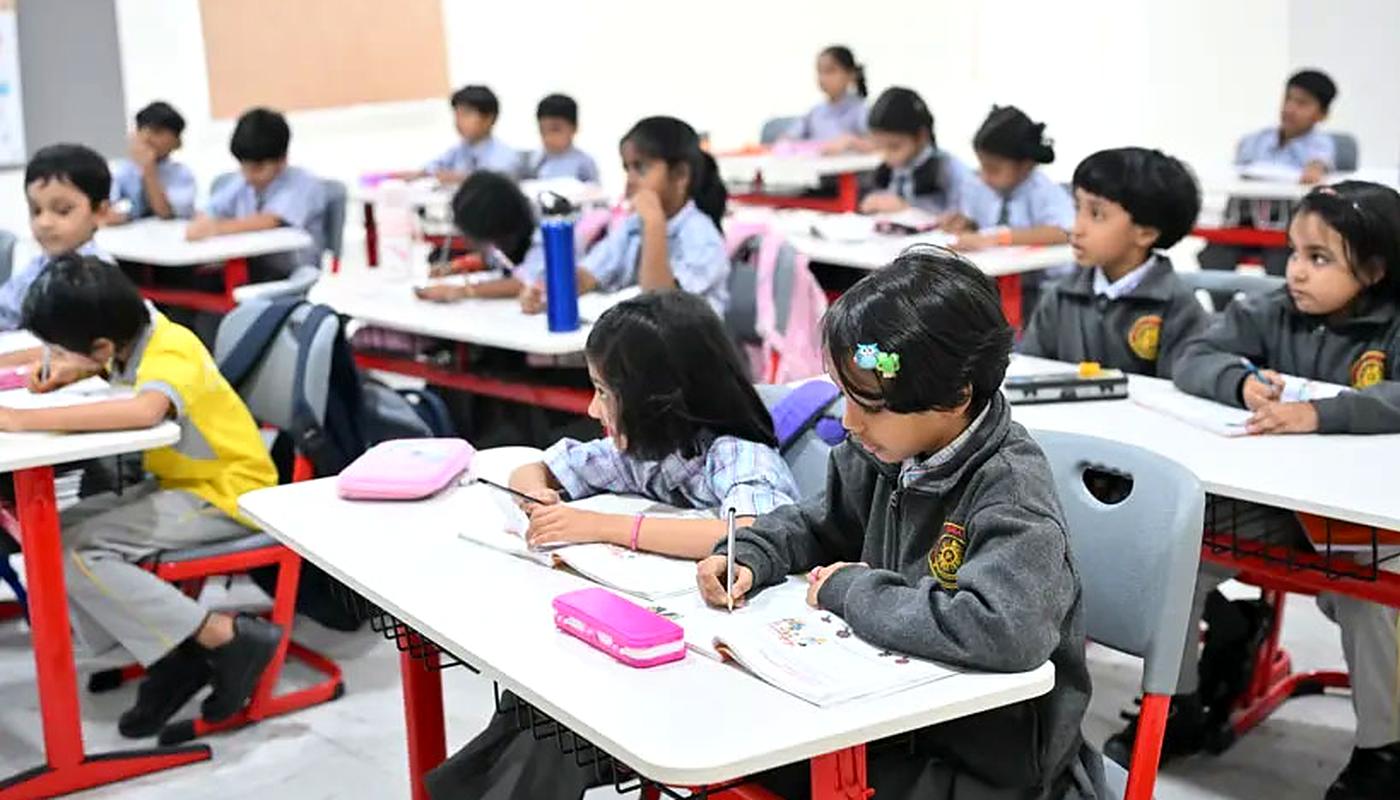
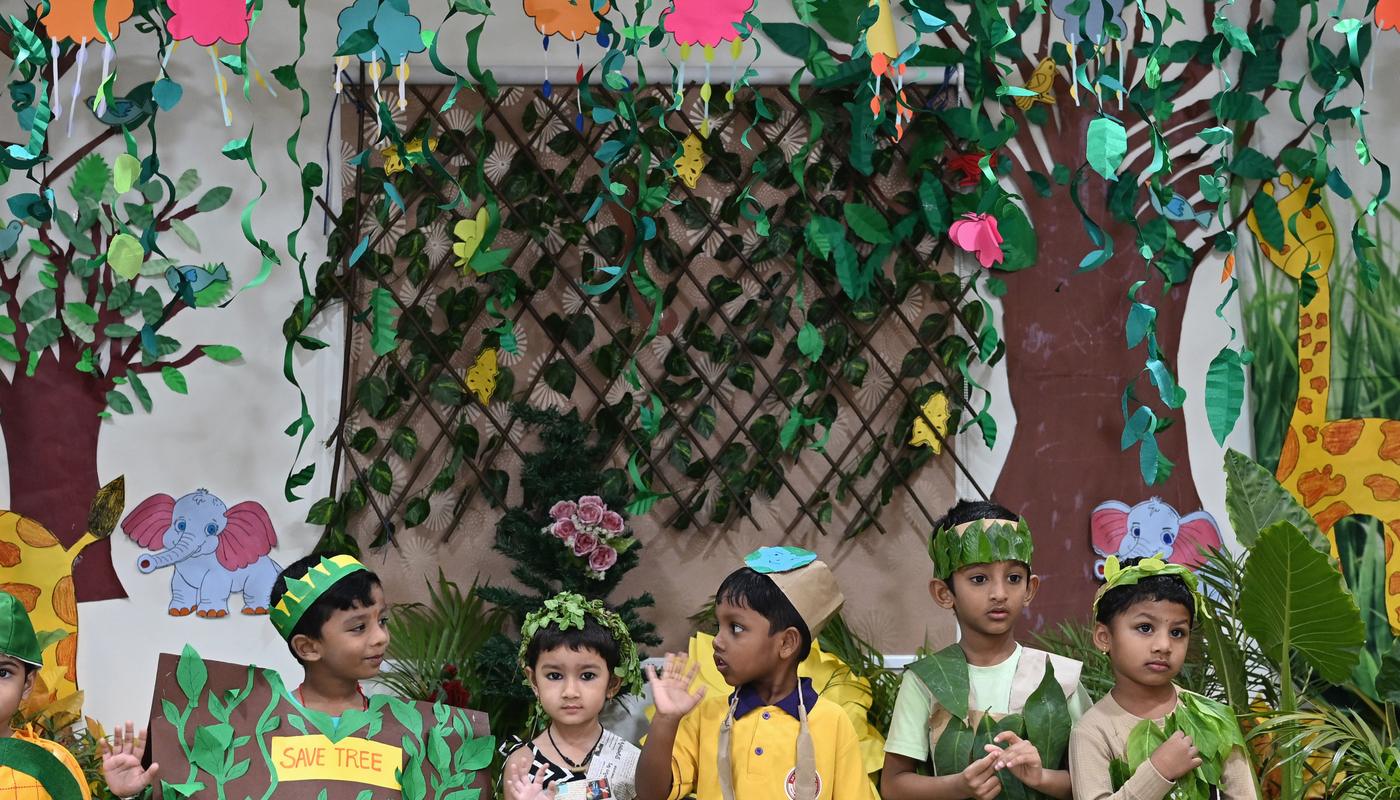
Impressive buildings matter less than well-used ones. Look at classroom walls: is children’s own work displayed, or only printed charts? Are books within reach? Are washrooms clean and suited to the age of the children using them? Is there shade and safe open space for play? For younger children, check that furniture, stairs and toilets are designed for their size.
5. Notice how adults speak to children
This is the single most revealing thing you can observe. Watch a teacher settle a class, respond to a question or handle a child who is upset. Warm, calm, respectful communication is a strong sign of a healthy school culture. So is the way office staff, security and support staff greet visitors.
The best indicator of a school’s culture is the tone of voice adults use with children when they think no one is watching.
6. Look beyond academics — carefully
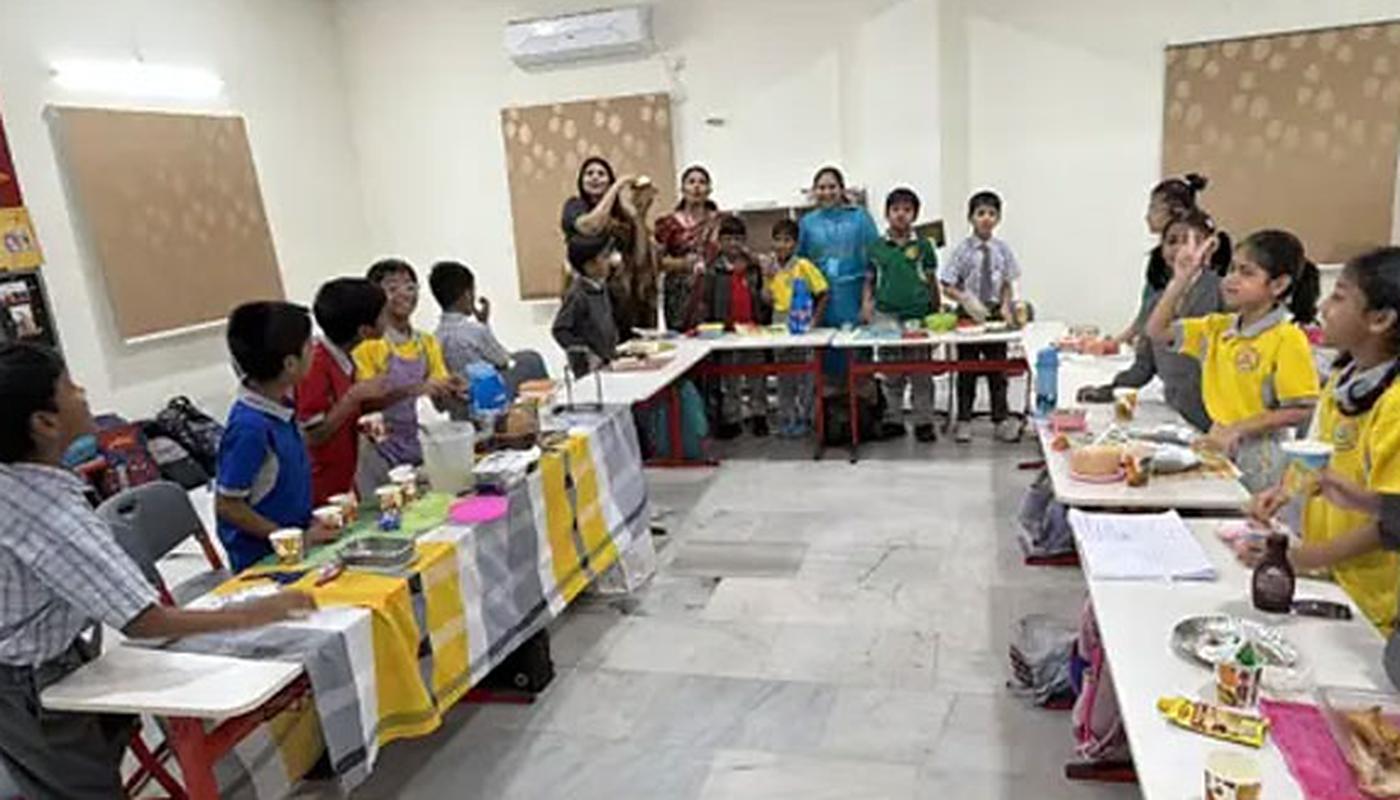
Sports, arts, clubs and events develop confidence, teamwork and resilience. Ask how often these happen within the timetable, not just on annual days. Ask whether every child gets to take part, or only those selected for competitions. A strong programme is one where participation is normal for everyone.
7. Be clear about fees and practicalities
Ask for a written fee structure that shows every component: tuition, admission, transport, books, uniform and activities. Understand the payment schedule and the refund policy. Confirm transport routes and timings for your area — whether that is Manikonda, Alkapur, Neknampur or Narsingi — and who travels on the bus with children.
8. Check information the school should publish
CBSE schools are expected to publish a mandatory public disclosure with details of the school, its facilities and staff. Reading it takes ten minutes and gives you factual information to compare between schools.
9. Trust what you felt
After each visit, sit down with your notes. Where did your child seem comfortable? Where did your questions get clear answers? Where could you imagine your child walking in happily on an ordinary Tuesday? Data matters, but so does that instinct.
A simple scoring sheet
If you are comparing several schools, rate each one out of five on: teaching quality you observed, how well the school knew children, communication with parents, safety and care, spaces and facilities, activities for every child, travel time, and clarity on fees. The totals rarely decide for you, but they make the conversation at home much easier.
If you would like to use this checklist at Arkaas Vignan School, you are welcome to book a campus visit. Bring your questions — and your child — and we will show you an ordinary school day.

Teachers and school leaders at Arkaas Vignan School. Our articles share practical guidance for families; for advice about your own child, please speak with their class teacher.